
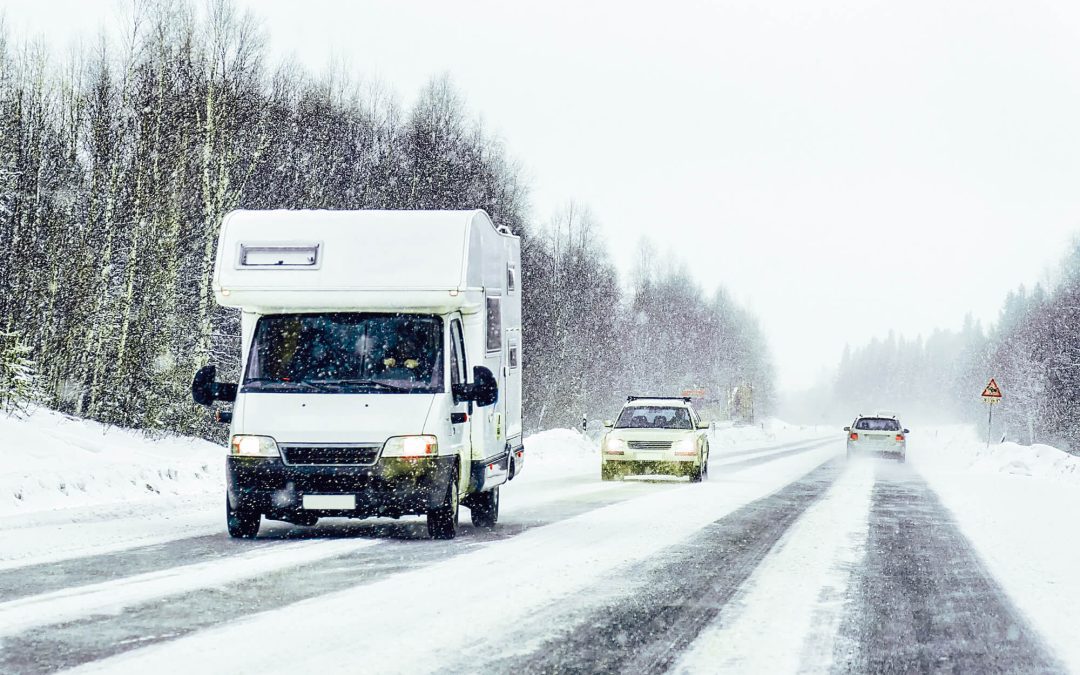
For many travelers, the end of summer signals the time to put the rig into storage, but a growing community of adventurers knows that the snowy season offers some of the most serene and beautiful landscapes imaginable. Mastering the art of winter RV use allows you to enjoy popular destinations without the crowds and experience the quiet magic of a frozen wilderness. However, camping in sub-zero temperatures requires a different level of preparation than a standard summer road trip. With the right mindset and a few technical upgrades, your RV will become a cozy, four-season sanctuary capable of handling the toughest winter conditions.
Upgrading Insulation for Effective Winter RV Use
The primary challenge of living in a mobile environment during the winter is heat retention. Most recreational vehicles are designed for temperate weather, meaning their thin walls and large windows may allow heat to escape rapidly. To enhance your experience with winter RV use, you should start by addressing the thermal weak points of your rig. Windows are the most significant source of heat loss, so applying reflective bubble insulation or heavy thermal curtains will create a necessary barrier against the cold glass. Additionally, many owners find that installing an RV skirt around the base of the vehicle significantly reduces drafts. By blocking the wind from blowing underneath the chassis, you protect the floor from becoming a giant heat sink and help maintain a much more consistent internal temperature.
Managing Humidity and Condensation
While keeping the heat inside is vital, you must also account for the moisture that accumulates when people live in a sealed, heated space. Condensation is a major hurdle in winter RV use. If left unmanaged, this moisture could lead to mold growth or ice buildup inside your cabinets. The most effective way to combat this is by using a high-quality dehumidifier and maintaining a level of airflow. Even when it is freezing outside, cracking a roof vent slightly or running a kitchen exhaust fan while cooking helps pull damp air out of the vehicle. Using moisture-absorbing crystals in closets and under the bed provides an extra layer of protection for your upholstery and personal belongings.
Protecting Your Water Systems in the Cold
Keeping your water flowing is arguably the most technical aspect of camping in the snow. Standard hoses will freeze almost instantly when temperatures drop below 32 degrees, so investing in a heated freshwater hose is a non-negotiable requirement for those connected to a city water source. Furthermore, you must protect your holding tanks. If your RV does not have an enclosed and heated underbelly, you should consider installing electric tank heater pads. These pads adhere to the bottom of the gray and black tanks to prevent the contents from solidifying into ice. It is also wise to keep your dump valves closed until you are ready to empty the tanks.
Energy Management for Successful Winter RV Use
Heating your living space consumes a significant amount of energy, usually in the form of propane. Your onboard furnace is effective, but it is also a heavy consumer of fuel and battery power. For successful winter RV use, you should always carry extra propane tanks or ensure you are camped near a reliable refill station. Many winter campers supplement their furnace with electric space heaters, which are connected to shore power, helping to conserve propane for the water heater and stove. However, you must be careful not to rely entirely on electric heat if your furnace is responsible for ducting warm air to your plumbing lines. If the furnace never kicks on because the room is warm from an electric heater, your pipes in the underbelly could freeze. Balancing these two heat sources is the key to a safe and comfortable winter experience.
Frequently Asked Questions (FAQs)
Can I use my RV’s built-in leveling jacks in the snow?
You can certainly use them, but you should take precautions to prevent them from freezing to the ground or sinking into soft, melting slush. Always place wooden blocks or specialized “jack pads” under the feet of your leveling system. This provides a stable base and creates a thermal break between the metal jack and the frozen earth, making it much easier to retract them when it is time to move to your next destination.
How do I stop my slide-outs from getting stuck in winter?
Ice and snow may accumulate on the top and sides of your slide-outs, preventing them from retracting properly or damaging the rubber seals. Before moving your slides, always clear the roof of the slide-out with a soft brush. It is also helpful to apply a slide-out seal conditioner before the season starts to keep the rubber pliable. Some travelers choose to keep their slides in during particularly heavy snowstorms to avoid the hassle of clearing them.
Is it safe to use a catalytic heater inside an RV?
While catalytic heaters are very efficient because they do not require electricity, they do consume oxygen and may release carbon monoxide if not used correctly. If you choose to use one, you must ensure you have adequate ventilation and a functioning carbon monoxide detector.
Chief RV offers RV inspections and services in Southern California. Contact us to schedule an appointment.