
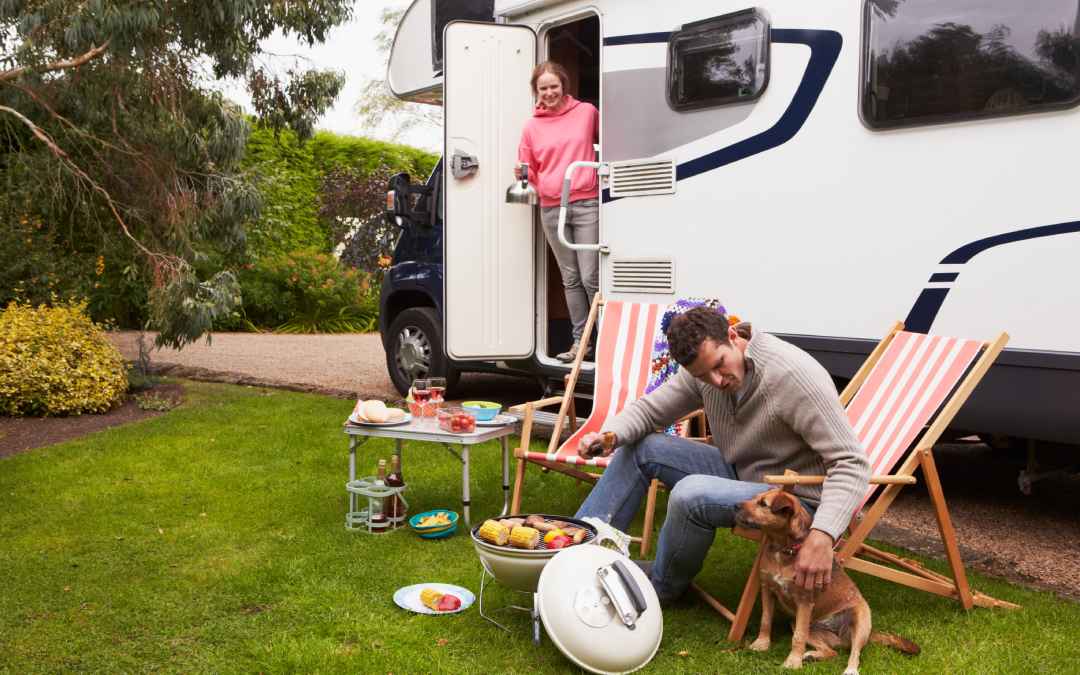
RV living offers freedom, flexibility, and the thrill of waking up to a new view whenever the mood strikes. But with that freedom comes responsibility. Safe RV living isn’t about adding stress or overcomplicating your adventures. It’s about building smart habits that protect your home on wheels, your belongings, and most importantly, the people inside. Whether parked at a bustling campground, boondocking in a remote desert, or navigating winding mountain roads, RV living requires awareness and preparation. With the right approach, safety becomes second nature and blends seamlessly into everyday routines.
Essentials for Safe RV Living
Safe RV living starts before the engine turns over. Pre-trip inspections are crucial. Checking tire pressure, tread wear, brake lights, turn signals, fluid levels, and hitch connections takes only a few minutes but could prevent major problems on the road. Tires in particular deserve close attention, as blowouts are one of the most common and dangerous RV issues. Weight distribution also plays a major role in safe RV living. Overloaded rigs strain tires, suspension, and braking systems. Knowing the gross vehicle weight rating and staying within limits keeps handling predictable and stable. Driving style matters just as much. RVs require longer stopping distances and wider turns. Slowing down, maintaining extra following distance, and planning fuel stops ahead of time all contribute to safe RV living.
Campground and Boondocking Security
One of the best parts of RV living is the variety of places to stay. From national parks to private resorts to dispersed camping areas, each setting presents unique safety considerations. At campgrounds, well-lit sites and visible neighbors add a layer of security. Locking doors and storage compartments, even during short walks, is a simple but effective practice. Many RVers install additional deadbolts, window locks, or small security cameras for added peace of mind. When boondocking, safety relies more heavily on situational awareness. Arriving before dark makes it easier to assess surroundings. Checking for stable ground, potential flash flood zones, and reliable cell service will prevent unpleasant surprises. Trusting instincts is also important. If a location feels uncomfortable, moving on is always an option.
Fire Prevention and Propane Safety
Because RVs combine living quarters with electrical systems, propane appliances, and compact spaces, fire safety is critical. Safe RV living includes maintaining smoke detectors, carbon monoxide detectors, and propane leak alarms. Testing them monthly and replacing batteries regularly ensures they function when needed. Propane systems should be inspected for leaks, especially after long drives. A simple soapy water test on connections will reveal small leaks before they become serious hazards. Keeping a fire extinguisher near the kitchen and another in an accessible storage bay adds an extra layer of protection. Cooking practices also matter. Avoid leaving stovetops unattended and keep flammable materials away from burners. Space heaters, if used, should be rated for indoor use and kept clear of furniture and bedding.
Weather Awareness and Environmental Safety
Weather can change quickly, and RV living often places travelers directly in nature’s path. Monitoring forecasts before travel days and during extended stays helps avoid dangerous conditions. High winds could destabilize rigs, especially towables. In storm-prone regions, knowing evacuation routes and shelter options enhances safety. Leveling jacks and stabilizers should always be used according to manufacturer instructions. In snowy climates, keeping the roof clear of heavy accumulation prevents structural stress. In hot environments, maintaining proper ventilation protects both occupants and appliances. Water safety is another important factor. Using a water pressure regulator when connecting to campground hookups prevents plumbing damage. Drinking water hoses should be kept separate from sewer hoses to avoid contamination.
Personal Safety and Health on the Road
Safe RV living goes beyond equipment and extends to personal well-being. Keeping a well-stocked first aid kit and knowing basic emergency procedures is crucial. Many RVers choose to take CPR and first aid courses for added preparedness. Staying connected is equally important. Sharing travel plans with trusted friends or family members adds a layer of accountability. Mobile phones, signal boosters, or satellite communication devices can provide reliable contact in remote areas. Maintaining physical health also contributes to safe RV living. Long driving days may lead to fatigue, which increases accident risk. Scheduling regular breaks and avoiding nighttime driving when possible reduces strain and improves focus.
Technology and Tools That Enhance Safe RV Living
Modern technology offers several tools that support safe RV living. Tire pressure monitoring systems provide real-time alerts to prevent blowouts. Backup and side-view cameras improve visibility during parking and lane changes. GPS systems designed specifically for RV living help avoid low bridges, narrow roads, and weight-restricted routes. Surge protectors and electrical management systems guard against faulty campground power supplies. These devices prevent damage to appliances and reduce fire risk caused by electrical surges. While gadgets enhance safety, they work best when paired with attentive habits. Safe RV living is ultimately about combining awareness, preparation, and smart decision-making.
Building a Routine That Supports Safe RV Living
The most successful RVers treat safety as part of their routine rather than a separate task. Creating simple checklists for departure and setup helps guarantee nothing gets overlooked. Reviewing emergency exit plans and practicing quick disconnect procedures could make a critical difference in urgent sitfuations. Over time, these habits become automatic. Safe RV living doesn’t limit adventure; it empowers it. Confidence grows when systems are in place, and risks are managed thoughtfully.
Frequently Asked Questions (FAQs)
How can beginners improve safety?
Start with a thorough orientation to your RV’s systems. Read the owner’s manuals, practice driving in an empty parking lot, and create pre-trip inspection checklists. Installing basic safety devices like surge protectors and tire pressure monitoring systems adds extra confidence.
Is RV living safe for families?
Yes, RV living can be very safe for families when precautions are followed. Childproofing cabinets, securing heavy items, and establishing clear campground safety rules help create a secure environment.
What is the biggest safety risk in RV living?
Road-related incidents are among the most significant risks. Proper maintenance, cautious driving, and avoiding fatigue greatly reduce the likelihood of accidents.
Do you need special insurance for RV living?
Insurance needs vary depending on whether the RV is used occasionally or full-time.
Chief RV is based in Salem, Oregon. We are now accepting RV inspection and mobile technician service requests. RV inspections normally cover approximately 90 minutes of driving from Salem; mobile technician work normally covers approximately 30 minutes. These are flexible guidelines, with coverage confirmed for each location. Contact Chief RV at 971-501-9764 or askthechief@chiefrv.com to discuss your RV needs. Appointments require human confirmation.