
Pulling into a campsite for the first time is one of the most exciting moments in RV travel, and one of the most overwhelming if you don’t know what to do next. Setting up your RV efficiently and correctly makes the difference between a smooth, enjoyable stay and a frustrating first hour that puts a damper on the whole trip. With a clear process and a little practice, campsite setup becomes second nature.
Setting Up Your RV Starts Before You Even Leave the Driveway
The best campsite setups begin at home. Before departing, confirm your campsite reservation and note any details about the site, pull-through or back-in, hookup types available, and whether there are any size or height restrictions. Knowing what to expect allows you to pack and prepare accordingly. Pack a campsite setup kit that includes your water hose, sewer hose, power cord, surge protector, leveling blocks, wheel chocks, and any adapters you might need for different hookup configurations. If you’re new to backing into a campsite, practice in an empty parking lot before your first trip. Backing a large rig or a vehicle towing a trailer is a skill that improves dramatically with practice.
Leveling and Stabilizing When Setting Up Your RV
Once you’ve pulled into your site, the first priority is getting the RV level before doing anything else. An unlevel RV causes problems beyond discomfort, refrigerators in RVs need to be level to function properly, and sleeping on a tilted surface gets old quickly. Most modern motorhomes have automatic leveling systems that handle this with the push of a button. For towable RVs, manual leveling blocks placed under the appropriate tires bring the unit into level, with a bubble level or leveling app used to confirm accuracy.
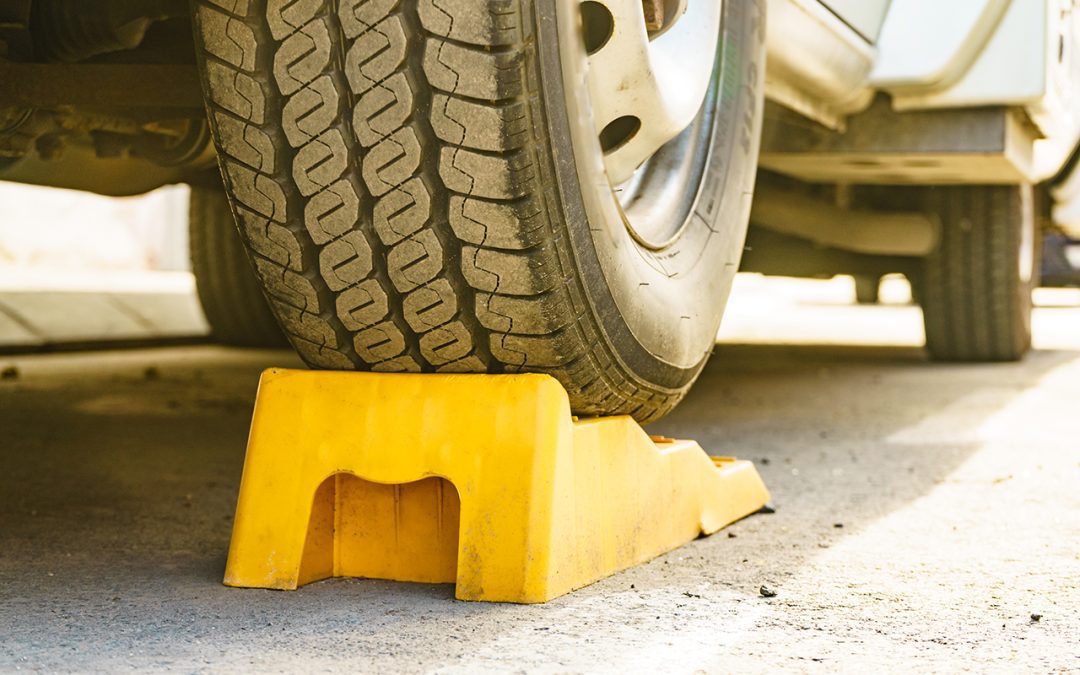
After leveling, place wheel chocks on both sides of the tires to prevent any rolling movement. This is a safety step that should never be skipped. If you have a towable RV, lower the stabilizer jacks at each corner to reduce movement inside the unit. These are stabilizers, not leveling tools. Always level first, then stabilize. Unhitch the tow vehicle only after the rig is level, stabilized, and chocked.
Connecting Hookups When Setting Up Your RV at Camp
With the RV level and stable, it’s time to connect to the site’s utilities. Start with the electrical, connect your surge protector to the pedestal first, then connect your power cord to the surge protector, and finally plug into the RV. Never skip the surge protector; campground power is notoriously inconsistent, and a power surge can damage your RV’s electrical system and appliances in seconds. For water, attach a drinking-water-safe hose and an inline water filter between the campground spigot and your RV’s city water inlet. Campground water quality varies widely; a filter is inexpensive insurance against taste, odor, and sediment issues. Turn the water on slowly and check connections for leaks before walking away.
Sewer connection comes last. Wear gloves, connect the sewer hose to the RV’s drain outlet, and secure the other end to the campground’s sewer inlet. Keep the gray and black tank valves closed during your stay and only open them to dump. Leaving valves open continuously allows liquids to drain out while solids accumulate, creating clogs and unpleasant odors that are entirely preventable.
Final Checks and Getting Settled at Camp
Once utilities are connected, do a quick walkthrough inside and outside before fully relaxing. Inside, confirm the refrigerator is switched to electric mode if it was running on propane during travel. Check that all appliances and systems are functioning correctly. Outside, deploy your awning if conditions allow, set up outdoor furniture, and lay down your doormat. Setting up your RV gets faster and smoother with every trip. Creating a personal checklist based on your specific RV and its systems helps ensure nothing gets missed, and after a handful of setups, the process becomes a satisfying ritual that marks the true beginning of every camping adventure.
Frequently Asked Questions (FAQs)
How long does setting up your RV at a campsite typically take?
For first-timers, setting up your RV could take an hour or more as you work through each step carefully. With experience, most RVers can complete a full hookup setup in 20 to 30 minutes.
Do I need to level my RV before connecting hookups?
Yes, always level and stabilize before connecting utilities. An unlevel RV affects refrigerator function, cabinet doors, and sleeping comfort.
Do I really need a surge protector for setting up my RV?
A surge protector designed for RV use monitors incoming power from the campground pedestal and protects your RV’s electrical system from voltage spikes, low voltage, and wiring faults. It’s one of the most important and most frequently recommended pieces of equipment for any RVer.
Should I leave my sewer valve open while connected at camp?
No, this is one of the most common mistakes new RVers make. Leaving the black tank valve open allows liquids to drain continuously while solids accumulate, which leads to clogs and odor issues.
What should be in my RV campsite setup kit?
A well-stocked setup kit should include a drinking-water-safe hose, an inline water filter, a sewer hose with fittings, a 30 or 50-amp power cord and adapters, a quality surge protector, leveling blocks, wheel chocks, a bubble level or leveling app, and work gloves for sewer connections.
Chief RV is based in Salem, Oregon. We are now accepting RV inspection and mobile technician service requests. RV inspections normally cover approximately 90 minutes of driving from Salem; mobile technician work normally covers approximately 30 minutes. These are flexible guidelines, with coverage confirmed for each location. Contact Chief RV at 971-501-9764 or askthechief@chiefrv.com to discuss your RV needs. Appointments require human confirmation.