
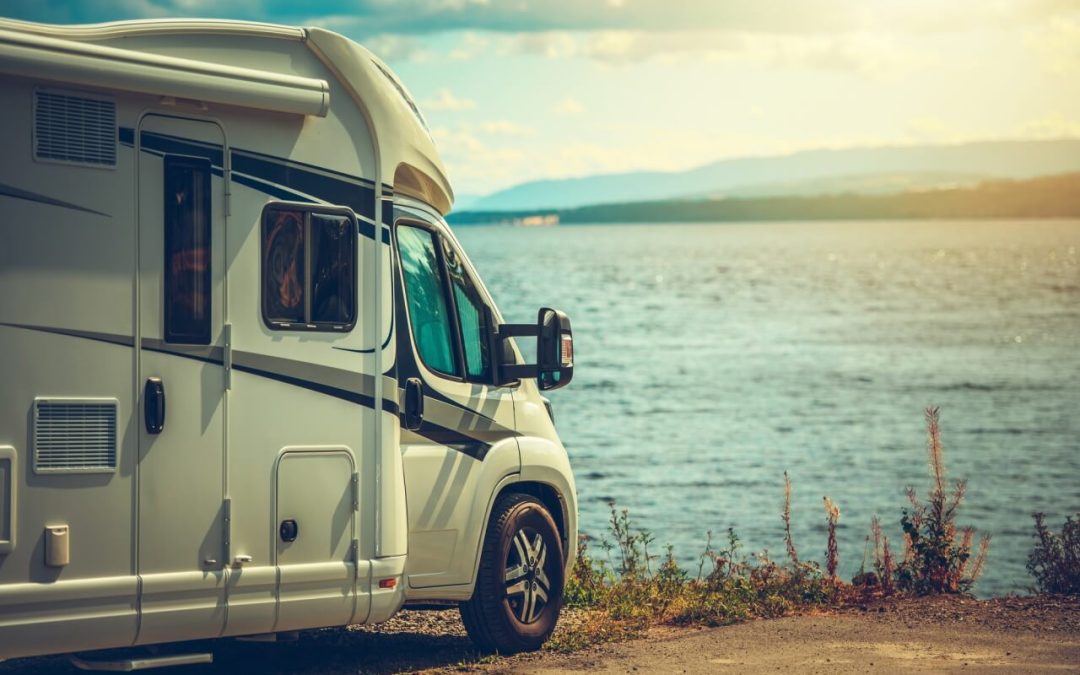
There’s nothing quite like hitting the open road in an RV during the summer months. Longer days, campgrounds in full swing, and some of the most scenic destinations at their absolute best. But RVing in the summer comes with its own set of challenges that could catch unprepared travelers off guard. Heat management, campsite availability, and keeping your rig running smoothly in high temperatures all require a little extra planning. Get those things right, and summer becomes one of the most rewarding times of year to be on the road.
Why RVing in the Summer Requires a Different Approach
Summer RVing is a different beast from shoulder-season travel. Campgrounds fill up fast, temperatures can push your RV’s systems to their limits, and competition for the best sites is fierce. None of that should deter you; it just means preparation matters more. A well-planned summer trip runs smoothly; a poorly planned one could leave you sweltering in a packed campground with a struggling air conditioner and a fridge that can’t keep up.
Managing Heat Inside While RVing in the Summer
Keeping your RV cool in summer is the number one challenge for most travelers. Running the air conditioner constantly is one approach, but it’s hard on your unit, burns through power fast, and isn’t always practical at dry camping sites without shore power. A smarter strategy combines passive cooling with targeted AC use. Park in the shade whenever possible, even partial shade on the roof makes a noticeable difference. Reflective window covers on the windshield and side windows block significant radiant heat before it enters the rig. Roof vent fans pull hot air out and draw cooler air in, and running them at night when outside temperatures drop can cool your RV quickly without touching the AC. Cooking inside adds heat fast. Grilling outdoors or relying on no-cook meals on the hottest days keeps the interior significantly cooler.
Prepping Your RV for Summer Conditions
RVing in the summer puts more demand on your rig than cooler-weather travel. Before heading out, give your RV a thorough once-over with summer in mind. Check your air conditioner filters and clean or replace them; a clogged filter dramatically reduces cooling efficiency. Inspect roof seals and caulking, since summer UV exposure accelerates deterioration, and a small gap can become a leak fast. Tires deserve particular attention in summer. Heat is one of the biggest contributors to blowouts, and hot pavement amplifies the risk. Check tire pressure cold before each trip and never exceed the manufacturer’s load rating. Your refrigerator also works harder in high ambient temperatures, so keep the exterior vents clear of debris, pre-chill food before loading, and minimize door openings during peak heat.
Choosing the Right Campsite for Summer Travel
Campsite selection becomes a strategic exercise when RVing in the summer. Reservations are non-negotiable for popular destinations. Summer weekends at national parks and well-known campgrounds book out weeks or months in advance. Planning isn’t optional; it’s essential. Elevation is your friend in summer. Campgrounds at higher altitudes are significantly cooler than valley or desert sites and often offer more shade from mature tree cover. East-facing sites get morning sun and afternoon shade, which is ideal for summer camping. Avoid sites fully exposed to the western sun, which delivers the most intense heat in the late afternoon when you’re most likely to be back at camp.
Staying Safe and Hydrated While RVing in the Summer
No guide to summer RVing is complete without a word about personal safety. Heat exhaustion and dehydration sneak up faster than you’d expect when you’re active outdoors in high temperatures. Drink water consistently throughout the day rather than waiting until you feel thirsty, and encourage everyone in your group to do the same. Avoid strenuous activity during the hottest part of the day. Plan hikes and sightseeing for early morning or evening when temperatures are more forgiving. Summer RVing is at its best when you work with the heat rather than against it.
Frequently Asked Questions (FAQs)
How do I keep my RV cool without running the AC constantly?
Shade parking, reflective window covers, and roof vent fans go a long way. Running vent fans at night to flush out hot air, cooking outdoors, and minimizing heat-generating appliances during the day all reduce how hard your AC has to work.
When should I book summer RV campgrounds?
As early as possible, popular destinations book out two to six months in advance for summer weekends. National park campgrounds fill especially fast. Set calendar reminders for when reservations open and book the moment you can for must-visit spots.
Is it safe to leave pets in an RV in summer?
Only if the air conditioning is running reliably and continuously. RV interiors could reach dangerously high temperatures within minutes of the AC shutting off. Never leave pets unattended in a warm RV, and consider a temperature monitoring alarm that alerts you if interior temperatures exceed a safe threshold.
What’s the best way to handle RV tire safety in summer heat?
Check tire pressure cold before every trip and stay within the manufacturer’s recommended range. Inspect tires regularly for cracking or bulging, and use tire covers when parked for extended periods. If your tires are more than five to six years old, consider replacing them regardless of tread depth.
How do I keep food cold when my RV fridge struggles in the heat?
Keep exterior refrigerator vents clear, pre-chill all food before loading, and minimize door openings. Supplementing with a quality 12-volt cooler for drinks and frequently accessed items takes pressure off your main unit.
Chief RV is based in Salem, Oregon. We are now accepting RV inspection and mobile technician service requests. RV inspections normally cover approximately 90 minutes of driving from Salem; mobile technician work normally covers approximately 30 minutes. These are flexible guidelines, with coverage confirmed for each location. Contact Chief RV at 971-501-9764 or askthechief@chiefrv.com to discuss your RV needs. Appointments require human confirmation.