
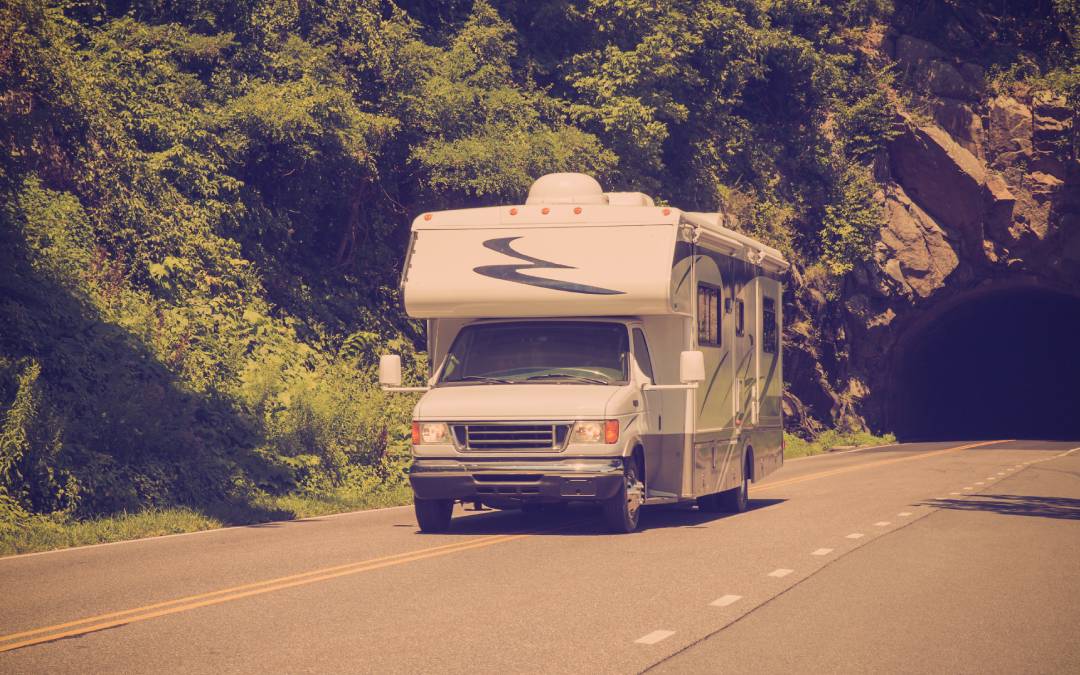
A cross-country RV trip is one of the most rewarding ways to explore new landscapes, meet fellow travelers, and experience the freedom of the open road. Unlike traditional vacations that revolve around flights and hotel bookings, an RV adventure allows travelers to carry their home wherever the journey leads. From scenic highways and national parks to charming small towns, a well-planned cross-country RV trip offers endless opportunities for discovery.
Successful RV travel starts with thoughtful preparation. Route planning is essential, especially when traveling long distances. Many RVers begin by identifying a few must-see destinations and then connecting them with scenic drives or interesting stops along the way. Popular routes across the United States often include iconic highways, national parks, and coastal roads that provide unforgettable views.
Preparing Your RV for Long-Distance Travel
Before embarking on any major journey, it is crucial to ensure the RV is ready for the road. Long-distance travel places additional demands on vehicles, and preventive maintenance helps avoid unexpected issues. Routine checks should include tire pressure, engine fluids, brakes, battery systems, and propane levels. RVers should inspect slide-outs, seals, and electrical connections. Even small mechanical issues could become larger problems during a cross-country RV trip if they are ignored before departure.
Stocking the RV with essentials also plays a key role in travel comfort. Kitchen supplies, extra water hoses, leveling blocks, and basic repair tools could make a huge difference when staying in unfamiliar campgrounds. Keeping a roadside emergency kit in the RV is another smart precaution. Organization is equally important. Storage spaces in RVs are limited, so efficient packing helps keep the living area comfortable and functional throughout the journey.
Budgeting for a Cross-Country RV Trip
While RV travel can be more flexible than traditional vacations, it still requires careful budgeting. Fuel is often the largest expense during a cross-country RV trip, especially for larger motorhomes that consume more gasoline or diesel. Campground fees are another common cost. Prices vary widely depending on location, amenities, and season. Some RV parks offer full hookups and resort-style services, while public campgrounds in state or national parks may provide a more rustic experience.
Many travelers reduce costs by mixing paid campgrounds with occasional free or low-cost overnight stays. Travel memberships, discount programs, and campground passes can also help stretch the travel budget. Food costs during RV trips can be surprisingly manageable because travelers can cook many meals in their own kitchen rather than dining out every day. Planning grocery stops along the route helps keep food fresh and budgets under control.
Making the Most of Your Trip
The greatest advantage of RV travel is flexibility. Plans can change easily when unexpected attractions appear along the road. Some of the best travel memories happen at spontaneous stops that were never part of the original itinerary. Taking time to explore local culture adds depth to the journey. Farmers’ markets, regional festivals, historic sites, and small-town restaurants reveal the character of each region. Many RV travelers also enjoy outdoor activities such as hiking, kayaking, cycling, or wildlife viewing during their trip.
Photography is another popular part of RV travel. From mountain ranges and desert sunsets to coastal cliffs and rolling farmland, the landscapes encountered on a cross-country RV trip are truly spectacular. Equally important is pacing. Scheduling occasional rest days allows travelers to recharge, do laundry, perform RV maintenance, and simply relax before continuing the adventure.
Safety Tips for Cross-Country RV Travel
Safety should always remain a priority on long road trips. Driving an RV requires more attention than driving a regular car due to its size, weight, and turning radius. Drivers should maintain safe speeds, allow additional braking distance, and remain aware of height clearances when approaching bridges or tunnels. Weather conditions also play a major role in safe RV travel. Strong winds, heavy rain, or snow could make driving difficult, particularly for taller motorhomes.
It is also wise to share travel plans with family or friends and keep communication devices fully charged. GPS navigation designed specifically for RVs will help avoid routes with low bridges, restricted roads, or sharp turns. Most importantly, staying alert and taking frequent breaks ensures the journey remains enjoyable and safe from start to finish.
Why a Cross-Country RV Trip Is Worth the Adventure
For many travelers, an RV journey is about far more than simply reaching a destination. A cross-country RV trip transforms the road itself into part of the experience. Every mile offers new scenery, new communities, and new stories. The ability to wake up beside a mountain lake one day and park near a coastal beach the next creates a sense of freedom that few other travel styles can match. RV travel also encourages a slower pace that allows deeper appreciation of the landscapes and cultures encountered along the way.
Frequently Asked Questions (FAQs)
How long does a cross-country RV trip usually take?
The length of a cross-country RV trip varies depending on the route and travel style. Some travelers complete the journey in two to three weeks, while others spend several months exploring different regions at a slower pace.
What is the best time of year for a cross-country RV trip?
Spring and fall are often considered the best seasons because temperatures are moderate and campgrounds are less crowded.
How much does a cross-country RV trip cost?
Costs depend on fuel prices, campground choices, and travel distance. Many RVers budget anywhere from $100 to $250 per day, including fuel, campsite fees, food, and entertainment.
Is driving an RV across the country difficult?
Driving an RV becomes easier with practice. New RVers should start with shorter drives to become comfortable with the vehicle’s size, braking distance, and handling before attempting longer travel days.
Chief RV offers RV inspections and services in Southern California. Contact us to schedule an appointment.